


Unlock the secrets to unlocking your body's full potential and achieving peak athletic performance with the transformative power of sports nutrition. In this comprehensive guide, we'll delve deep into the intricacies of fueling your body to optimize performance, enhance recovery, and support overall health and well-being. Whether you're a professional athlete striving for greatness, a fitness enthusiast aiming to push your limits, or someone simply looking to lead an active lifestyle, understanding the fundamentals of sports nutrition is essential for unlocking your true athletic potential and achieving your goals.
Introduction
Sports nutrition is undeniably pivotal in elevating athletic performance, facilitating recovery, and upholding holistic health and wellness. Whether you're a seasoned professional athlete striving for excellence, a dedicated weekend warrior honing your skills, or an individual simply aiming to sustain an active lifestyle, grasping the fundamentals of nutrition for sport and exercise is paramount for realizing your fitness aspirations. Throughout the course of this article, we will embark on an exploration of the foundational principles of sports nutrition and delve into their profound implications on your performance, both in the arena and in everyday life.
The Main Part
Understanding the Role of Nutrition in Sports
Nutrition forms the cornerstone of athletic success, supplying the body with vital nutrients necessary to sustain energy levels, promote muscle repair and growth, and facilitate efficient recovery. A comprehensive sports nutrition plan encompasses a spectrum of essential components, including carbohydrates, proteins, fats, vitamins, minerals, and hydration, each playing a unique role in optimizing performance and supporting overall health.
Carbohydrates stand as the primary fuel source for physical exertion, furnishing the energy required to power through rigorous workouts and endurance activities. They are instrumental in replenishing glycogen stores and sustaining energy levels during prolonged exercise bouts. Proteins, on the other hand, are indispensable for muscle repair and growth, aiding in the recovery process post-exercise by facilitating the synthesis of new muscle tissue. Incorporating adequate protein into one's diet is crucial for optimizing recovery and promoting muscle adaptation to training stimuli.
Fats serve as a concentrated source of energy and play multifaceted roles in the body, including hormone regulation, cell membrane structure, and nutrient absorption. While often maligned, healthy fats are essential for supporting overall health and should be included as part of a balanced sports nutrition plan. Additionally, vitamins and minerals are indispensable for various physiological processes, ranging from energy metabolism and immune function to bone health and muscle contraction. Ensuring an adequate intake of vitamins and minerals is essential for maintaining optimal health and performance.
Hydration is equally critical for sustaining peak performance and preventing dehydration-induced impairments during exercise. Adequate hydration supports thermoregulation, nutrient transport, and waste removal, thereby optimizing physical and cognitive function. Dehydration can lead to diminished performance, increased fatigue, and heightened risk of heat-related illnesses, underscoring the importance of maintaining proper fluid balance before, during, and after exercise.
Designing a Balanced Sports Nutrition Plan
Crafting a well-rounded sports nutrition plan necessitates the inclusion of a diverse array of nutrient-dense foods tailored to meet the specific demands of athletic training and competition. Whole foods, such as fruits, vegetables, lean proteins, whole grains, and healthy fats, form the cornerstone of a balanced diet, providing a rich spectrum of essential nutrients to support overall health and optimize performance.
When structuring your nutrition plan, prioritize carbohydrates as the primary source of energy, particularly before and during exercise. Opt for complex carbohydrates derived from whole grains, fruits, and vegetables, as they offer sustained energy release and steady blood sugar levels to fuel your workouts effectively. Lean proteins should also feature prominently in your diet to facilitate muscle repair and growth post-exercise. Incorporate a variety of protein sources, including poultry, fish, eggs, dairy, legumes, and plant-based options, to ensure you meet your protein requirements and support muscle recovery and adaptation to training stimuli.
Furthermore, don't overlook the importance of healthy fats in your sports nutrition regimen. Healthy fats play a pivotal role in hormone production, cell membrane integrity, and nutrient absorption, all of which are crucial for overall health and athletic performance. Incorporate sources of healthy fats, such as avocados, nuts, seeds, and olive oil, into your meals and snacks to provide a steady source of energy and promote optimal physiological function.
Hydration is another critical aspect of sports nutrition that should not be overlooked. Proper hydration is essential for maintaining fluid balance, regulating body temperature, and supporting nutrient transport and waste removal during exercise. Ensure you drink water consistently throughout the day and consume fluids before, during, and after exercise to replenish lost fluids and electrolytes and prevent dehydration-induced impairments in performance.
By emphasizing nutrient-dense whole foods, prioritizing carbohydrates for energy, incorporating lean proteins for muscle repair and growth, including healthy fats for overall health, and maintaining adequate hydration, you can create a balanced sports nutrition plan tailored to meet your individual needs and optimize your athletic performance.
Timing Your Nutrition for Optimal Performance
In addition to choosing the right foods, timing your nutrition is also crucial for maximizing performance and recovery. Aim to consume a balanced meal or snack containing carbohydrates and protein within 1-2 hours before exercise to provide energy and support muscle repair. During prolonged exercise lasting more than 60 minutes, consider consuming carbohydrates and electrolytes to maintain energy levels and hydration. After exercise, prioritize refueling with a combination of carbohydrates and protein to replenish glycogen stores and support muscle recovery. Aim to consume this post-exercise meal or snack within 30-60 minutes after exercise to optimize recovery and reduce muscle soreness.
Summing Up
In conclusion, sports nutrition plays a vital role in optimizing athletic performance, supporting recovery, and promoting overall health and well-being. By understanding the fundamentals of nutrition for sport and exercise and implementing a well-rounded nutrition plan, you can fuel your body for success both on and off the field. Remember to prioritize nutrient-dense foods, stay hydrated, and time your nutrition strategically to maximize performance and achieve your fitness goals. With the right approach to nutrition, you can unlock your full potential and take your athletic performance to new heights.
https://www.centaursgroup.com/

A sports club in Singapore is offering a multi-day summer sports initiative, with anchor programmes in rugby for children and youth and an off-season netball training track.
Rugby Camp (29–31 July):
Open to both boys and girls, split into three age brackets: Minis (Under 5–Under 7), Juniors (Under 8–Under 11), and Seniors (Under 12–Under 14).
Daily sessions run from 9:00 am to 12:30 pm.
Location: a well-known international school in Singapore.
Pricing: one rate for club members and a slightly higher rate for non-members (including GST). Centaurs Group
Programme content:
For the Minis group: emphasis on motor-skills, catch-and-pass fundamentals, evasive running and building confidence in a fun, social setting.
For the Juniors: introducing contact elements like tackling and rucking, plus body-management work (balance, core stability) and the basics of attack vs defence.
For the Seniors: more advanced, with position-specific skills, decision-making challenges, and educational components such as strength &...
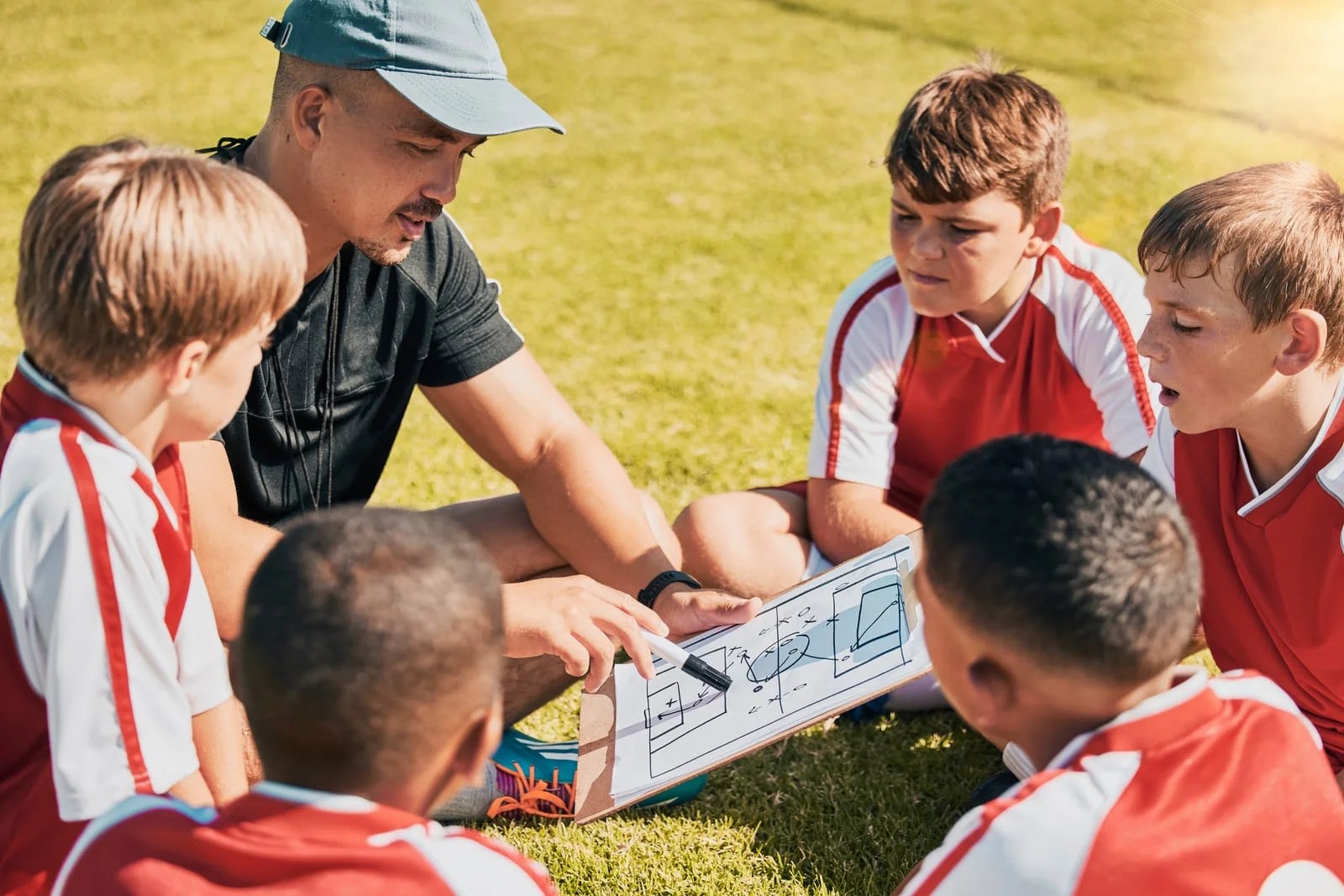
Teamwork in sports reaches far beyond simply playing alongside others—it forms the foundation for personal growth, collective achievement, and lasting social skills. Central to this is trust: athletes rely on teammates to hold their roles, communicate honestly, and deliver when it matters. In sporting environments the bonds forged through shared training, shared wins and losses help deepen that trust, enabling teams to perform more cohesively.
Effective teamwork also demands communication—both spoken and unspoken. On the field, players must convey strategy, give and receive feedback, and offer encouragement. These interactions hone clarity, confidence and empathy. Sports challenge participants to put team goals ahead of individual ego, reinforcing the notion that success emerges from collaboration rather than solo effort.
Conflict and difference are inevitable in any group setting. In team sports, however, the structure provides a controlled space to learn resolution and compromise: when ...

Introducing beginners to netball involves focusing on fundamental skills that lay the groundwork for effective gameplay. Key areas of emphasis include ball handling, passing, footwork, and shooting.
Warm-Up Drills
Effective warm-ups prepare players physically and mentally, reducing the risk of injury and enhancing performance. Recommended activities include:
Movement Warm-Up: Engage in jogging, side-steps, karaoke, high knees, butt kicks, and skipping to increase heart rate and blood flow.
Dynamic Stretching: Incorporate knee-to-chest stretches, quad stretches, open and closed hip rotations, hamstring stretches, and various lunges to improve flexibility.
Ball Handling Exercises: Practice ball taps (static and up & down), figure-of-eight movements, and squat-rotating catches to enhance coordination and control.
Passing and Catching
Mastering passing and catching is crucial for effective team play:
Chest Pass: Throw the ball from chest height, ensuring accuracy and speed.
Shoulder Pass: Utilize a one-handed throw from the shoulder for...