


Netball is a dynamic team sport where each player has a specific role, defined by their position on the court. Understanding these positions is crucial for effective gameplay and strategy.
1. Goal Shooter (GS)
The primary responsibility of the Goal Shooter is to score goals. They are restricted to the attacking third and the shooting circle, where they must receive passes and attempt to score. GS players need excellent shooting accuracy, spatial awareness, and the ability to create space to receive the ball.
2. Goal Attack (GA)
Goal Attack works closely with the Goal Shooter to create scoring opportunities. They are allowed in the attacking third and the shooting circle, as well as the centre third. GA players must possess agility, precise passing skills, and the ability to shoot from various positions.
3. Wing Attack (WA)
Wing Attack is responsible for feeding the ball into the shooting circle and supporting the offensive play. They are permitted in the attacking third and the centre third but not in the shooting circle. WA players require speed, excellent ball-handling skills, and the ability to make quick, accurate passes.
4. Centre (C)
The Centre is the only player allowed to move across all three thirds of the court, excluding the shooting circles. They initiate play from the centre circle, link defense and attack, and distribute the ball effectively. Centre players need high endurance, strategic thinking, and strong passing abilities.
5. Wing Defence (WD)
Wing Defence's primary role is to disrupt the opposing Wing Attack's play and prevent the ball from entering the shooting circle. They are allowed in the defensive third and the centre third but not in the shooting circle. WD players must have quick reflexes, agility, and the ability to intercept passes.
6. Goal Defence (GD)
Goal Defence works to prevent the opposing Goal Attack from scoring by intercepting passes and blocking shots. They are permitted in the defensive third, the centre third, and the shooting circle. GD players need strong defensive skills, anticipation, and the ability to read the game.
7. Goal Keeper (GK)
Goal Keeper is the last line of defense, tasked with stopping the opposing Goal Shooter from scoring. They are restricted to the defensive third and the shooting circle. GK players require height, excellent timing, and the ability to anticipate and intercept shots.
Each position in netball has specific areas of the court they can access and unique responsibilities. Understanding these roles helps players contribute effectively to their team's performance and ensures a well-coordinated game strategy.
https://www.centaursgroup.com/decoding-positions-in-netball/

A sports club in Singapore is offering a multi-day summer sports initiative, with anchor programmes in rugby for children and youth and an off-season netball training track.
Rugby Camp (29–31 July):
Open to both boys and girls, split into three age brackets: Minis (Under 5–Under 7), Juniors (Under 8–Under 11), and Seniors (Under 12–Under 14).
Daily sessions run from 9:00 am to 12:30 pm.
Location: a well-known international school in Singapore.
Pricing: one rate for club members and a slightly higher rate for non-members (including GST). Centaurs Group
Programme content:
For the Minis group: emphasis on motor-skills, catch-and-pass fundamentals, evasive running and building confidence in a fun, social setting.
For the Juniors: introducing contact elements like tackling and rucking, plus body-management work (balance, core stability) and the basics of attack vs defence.
For the Seniors: more advanced, with position-specific skills, decision-making challenges, and educational components such as strength &...
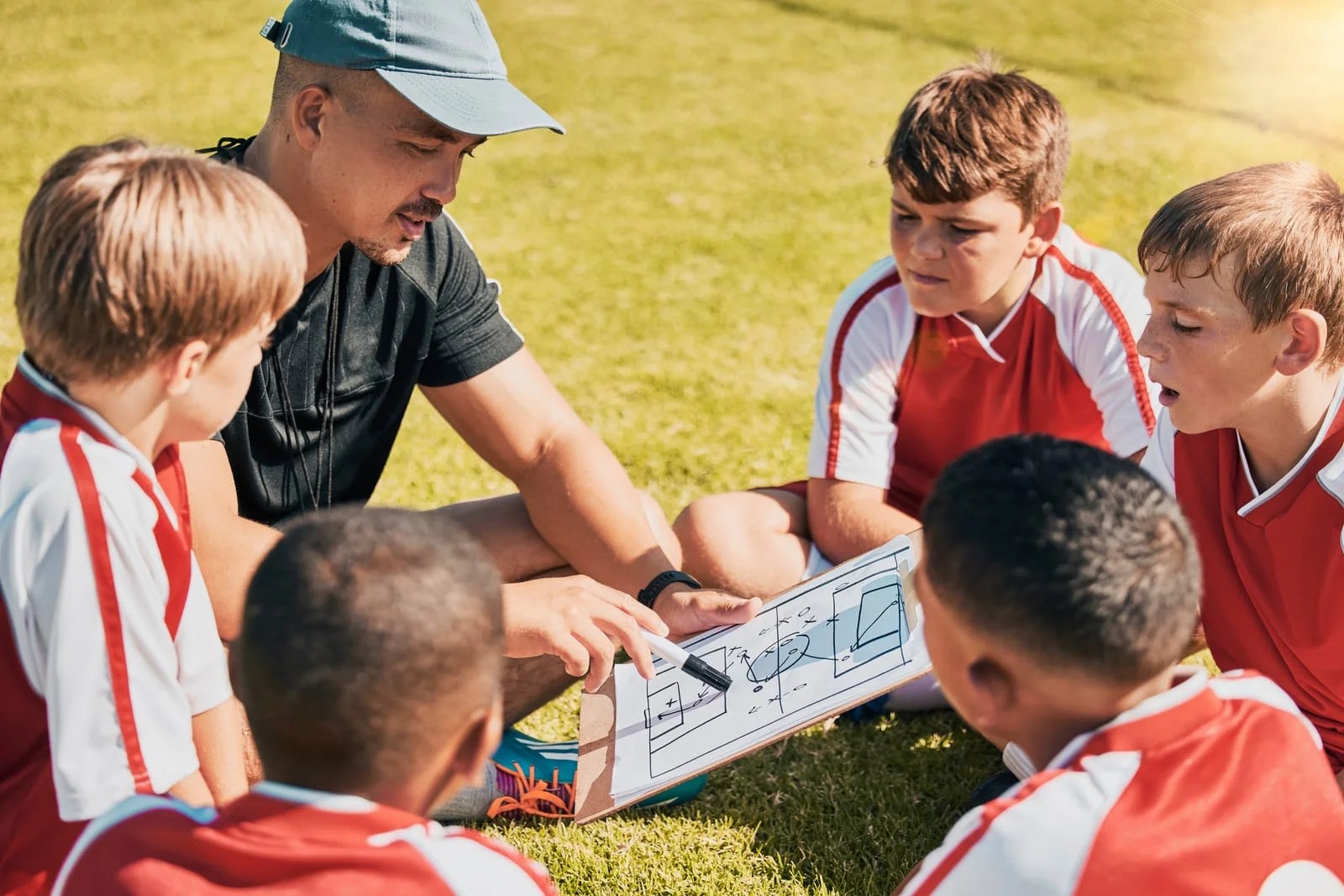
Teamwork in sports reaches far beyond simply playing alongside others—it forms the foundation for personal growth, collective achievement, and lasting social skills. Central to this is trust: athletes rely on teammates to hold their roles, communicate honestly, and deliver when it matters. In sporting environments the bonds forged through shared training, shared wins and losses help deepen that trust, enabling teams to perform more cohesively.
Effective teamwork also demands communication—both spoken and unspoken. On the field, players must convey strategy, give and receive feedback, and offer encouragement. These interactions hone clarity, confidence and empathy. Sports challenge participants to put team goals ahead of individual ego, reinforcing the notion that success emerges from collaboration rather than solo effort.
Conflict and difference are inevitable in any group setting. In team sports, however, the structure provides a controlled space to learn resolution and compromise: when ...

Introducing beginners to netball involves focusing on fundamental skills that lay the groundwork for effective gameplay. Key areas of emphasis include ball handling, passing, footwork, and shooting.
Warm-Up Drills
Effective warm-ups prepare players physically and mentally, reducing the risk of injury and enhancing performance. Recommended activities include:
Movement Warm-Up: Engage in jogging, side-steps, karaoke, high knees, butt kicks, and skipping to increase heart rate and blood flow.
Dynamic Stretching: Incorporate knee-to-chest stretches, quad stretches, open and closed hip rotations, hamstring stretches, and various lunges to improve flexibility.
Ball Handling Exercises: Practice ball taps (static and up & down), figure-of-eight movements, and squat-rotating catches to enhance coordination and control.
Passing and Catching
Mastering passing and catching is crucial for effective team play:
Chest Pass: Throw the ball from chest height, ensuring accuracy and speed.
Shoulder Pass: Utilize a one-handed throw from the shoulder for...